What Is Sound Healing? A Plain-English Guide
What Is Sound Healing?
Sound healing is a complementary wellbeing practice that uses instruments and the voice — crystal singing bowls, gongs, tuning forks, drums and chant — to create sustained tones and vibration that help the body settle and the mind quieten.
If you've ever felt your shoulders drop the moment a gong sounds, you already know the felt sense of it. Sound healing is the intentional, structured use of that experience.
It sits within the broader field of complementary wellbeing. It isn't a medical treatment, and a sound practitioner works within a defined scope of practice — supporting rest, relaxation and a sense of calm, not diagnosing or treating illness.
What happens in a sound bath?
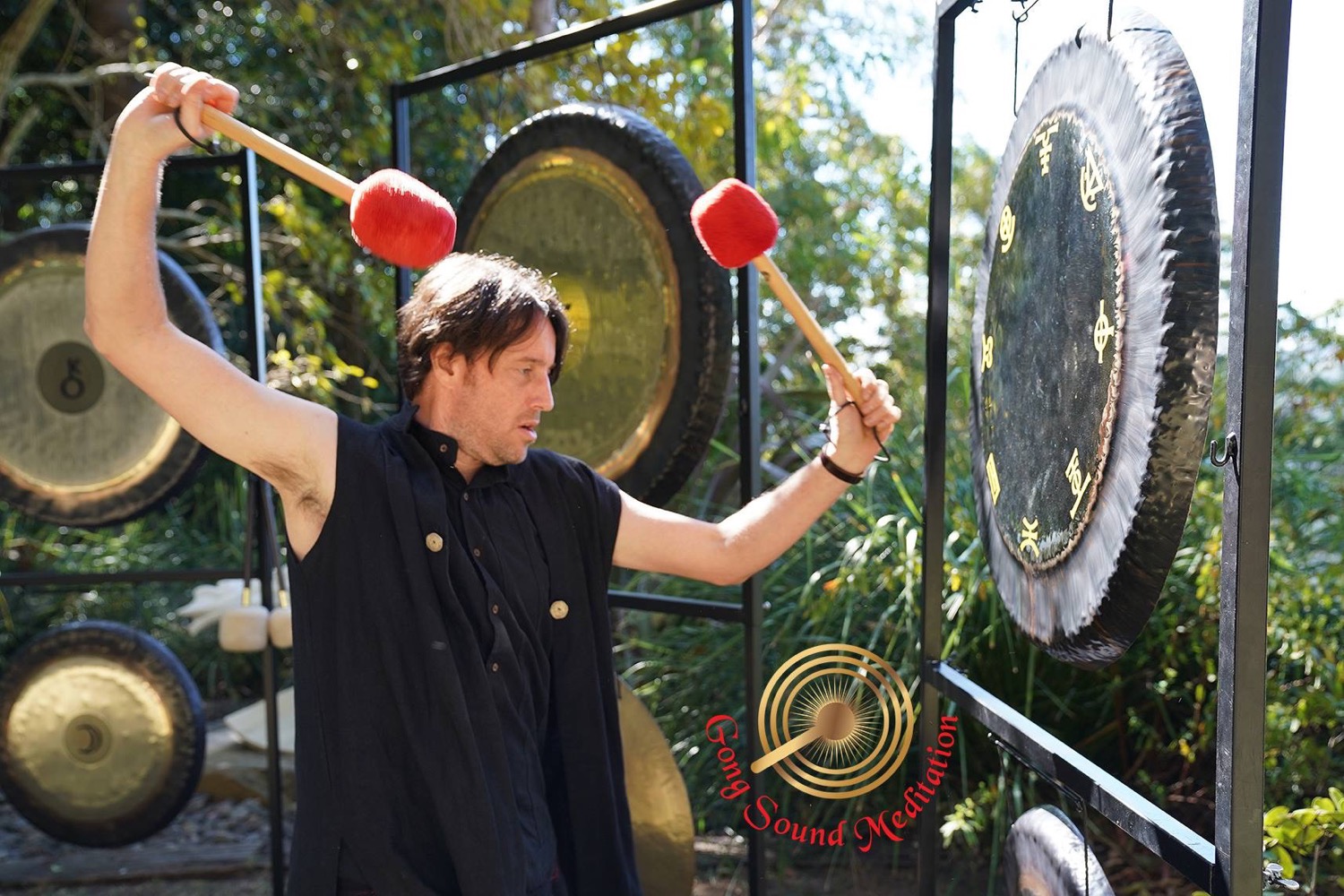
A sound bath is a group sound healing session. You lie down, get comfortable, and let waves of sound move through the room while a practitioner plays a sequence of instruments.
Nothing is asked of you. There's no posture to hold and nothing to "do well." Most people simply rest, and many describe a deep stillness they rarely reach in ordinary daily life.
A typical sound bath runs 45 to 75 minutes and ends in silence — often the most memorable part.
What does a sound healer do?
A sound healer (also called a sound therapist) designs and holds sound sessions for individuals and groups. The work involves:
- Choosing and playing instruments with intention and skill
- Holding a safe, trauma-informed space for whoever is in the room
- Working within a clear scope of practice and referring on when something sits outside it
- Tailoring sessions for one-to-one clients or group settings
Good practitioners treat this as a profession with standards — not a party trick, and not a cure-all.
The instruments of sound healing
- Crystal and Tibetan singing bowls — sustained, resonant tones
- Gongs — rich, enveloping waves of sound
- Tuning forks — precise frequencies, used on or around the body
- Drums — steady, grounding rhythm
- The voice — toning and chant, the oldest instrument of all
What does the evidence say?
Research into sound, music and the nervous system is still developing, and it's an honest field — we name what's a felt experience and what's a measured outcome. What people consistently report is rest, a sense of calm, and relief from everyday stress. We point to the research where it exists, and we don't overstate it.
Is sound healing for me?
If you're drawn to rest, stillness and a gentler relationship with a busy mind, a sound bath is a low-pressure place to start. If you feel called to facilitate this work for others, that's a different step — and a real profession worth training for properly.
How to become a sound healer in Australia
Becoming a practitioner means learning the instruments, the theory, trauma-informed facilitation, and how to hold sessions safely and ethically. The Australian Sound Healers Association (ASHA) is the country's peak body for sound therapy, and our Sound Therapy Advanced Practitioner Training is a 300-hour, IICT-certified pathway from beginner to certified practitioner.
If you're curious where to begin, start with our free group sound healing training.
Take the next step: explore the free group sound healing training →
Frequently asked questions
What is sound healing in simple terms?
The intentional use of instruments and voice to create tones and vibration that help the body and mind settle into rest, within a complementary wellbeing framework.
What is a sound bath?
A group sound healing session where you lie down and rest while a practitioner plays a sequence of instruments.
Is sound healing a medical treatment?
No. It's a complementary wellbeing practice. Practitioners work within a defined scope and don't diagnose or treat medical conditions.
How long does it take to become a sound healer?
ASHA's Advanced Practitioner Training is a 300-hour programme delivered over roughly twelve months.
Training with ASHA: The Australian Sound Healers Association offers IICT-certified sound healing training delivered entirely online, designed for Australian practitioners. Students learn through video modules, live group calls, and trauma-informed practical assessments — joining from any state or territory.