Gong Bath vs Sound Bath: What Is the Actual Difference?
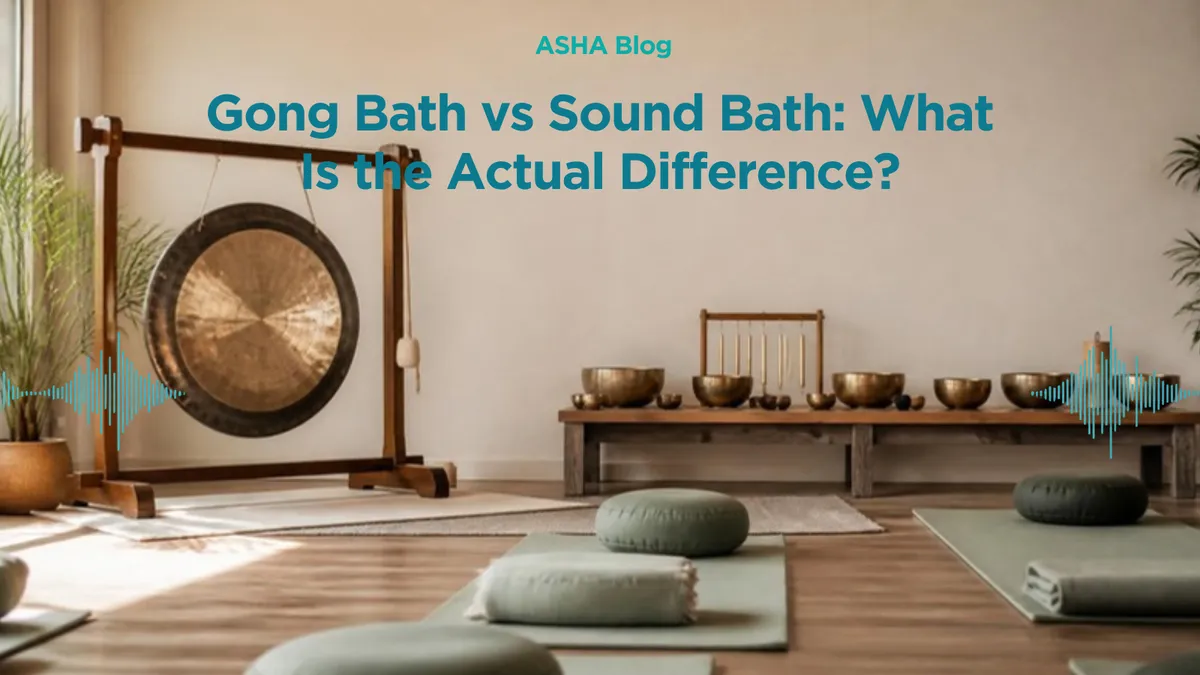
A gong bath is a type of sound bath. "Sound bath" describes the format: you lie down and rest while a facilitator plays sustained sound for 45 to 90 minutes. "Gong bath" means the gong is the main instrument. The practical difference is intensity. Gongs are denser, louder and more physical. Bowl-led sessions tend to feel softer and more melodic.
If you have been looking at local listings and wondering whether the two are the same thing, you are not alone. The names get used loosely, and that makes it hard to know what you are booking.
Here is how they actually differ, and how to choose.
What is a sound bath?
A sound bath is a group or one-to-one session where you rest, usually lying on a mat, while a facilitator plays instruments for an extended period. Nothing is asked of you. You do not have to meditate "correctly". You listen, or you drift.
Common instruments include:
- Brass or crystal singing bowls
- Chimes and bells
- Frame drums or ocean drums
- Tuning forks
- Voice
- Gongs
Most facilitators combine several. The aim is the same across all of them: a long, continuous sound environment that gives the body a chance to settle.
What makes a gong bath different?
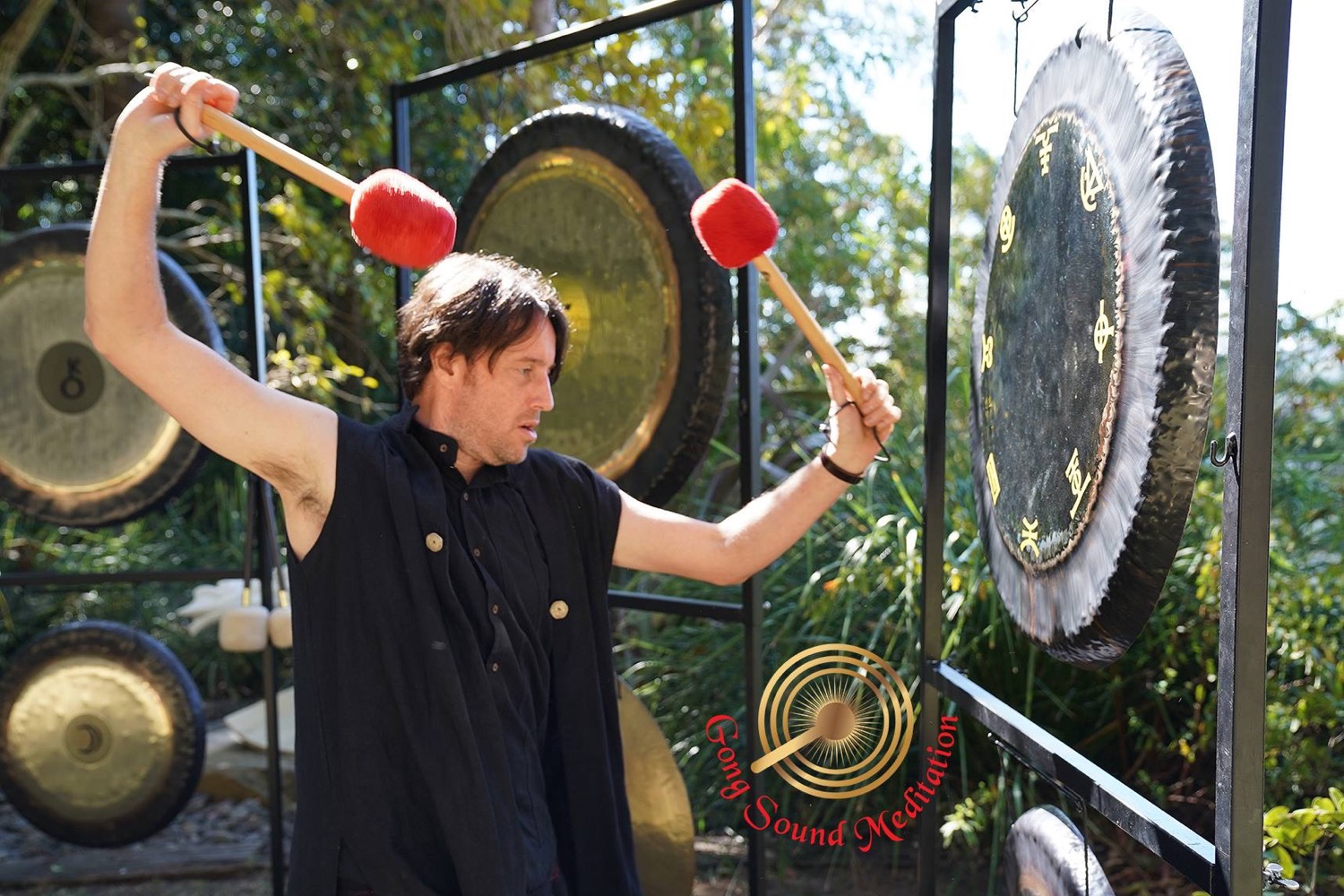
In a gong bath, the gong carries the session. Other instruments may appear, but the gong is the backbone.
Three things set it apart.
1. The sound is dense. A single gong strike unfolds into layers of overtones that keep shifting long after the mallet lands. It is less a single note and more a moving wash of sound. Many people find they stop trying to follow it, which is part of why it works for busy minds.
2. It is physical. Low frequencies from a large gong are felt as much as heard. People often describe a hum through the floor, the chest or the hands.
3. It has a wider range of volume. A gong can be played barely above a whisper or built to a roar. In skilled hands that range is used with care. In unskilled hands it can be too much.
Which one is better for a first session?
Neither is better. They suit different people and different days.
A bowl-led sound bath may suit you if:
- You are sensitive to loud or sudden sound
- You prefer something gentle and predictable
- You are new to lying still in a group
- You have tinnitus or sound sensitivity and want to start softly
A gong bath may suit you if:
- You find it hard to switch off and want something that holds your attention
- You like feeling sound in your body
- You have enjoyed a sound bath before and want something deeper
If you are unsure, ask the facilitator how they use the gong. A good practitioner will describe the volume range honestly and tell you where to lie if you want a softer experience. Further from the instrument is quieter.
What should you feel afterwards?
Most people report feeling rested, slowed down or a little spacey after either format. Some feel emotional. Some feel very little the first time, which is also normal.
Neither format should leave you feeling overwhelmed. If you do, tell the facilitator. It is useful information, not a failure on your part.
If you want the basics of the sound bath format in more depth, our earlier guide on what a sound bath is and how it works covers it step by step.
What should you check before you book?
Whichever format you choose, a few questions tell you a lot about the facilitator:
- Do they ask about your health and hearing before the session? A short intake is a sign of care.
- Do they explain what will happen? You should know the length, the instruments and how to leave if you need to.
- Do they offer choice? Eye masks optional, blankets available, freedom to sit up or move.
- Are they trained and insured? Ask directly. A professional will not mind.
- Do they avoid big promises? Be cautious of anyone who says a session will fix a health condition.
Frequently asked questions
Is a gong bath louder than a sound bath?
Usually, yes. Gongs have a much wider volume range than bowls. A skilled facilitator will keep it within a comfortable level and build gradually.
Can I do a gong bath if I have tinnitus?
Speak to your GP or audiologist first, then tell the facilitator before the session. Lie further from the gong and bring earplugs so you have the option.
Do I need to meditate during a gong bath?
No. You rest. If your mind wanders, that is fine. The sound does the holding.
How long does a gong bath last?
Most run between 45 and 90 minutes, including time to settle in at the start and come back at the end.
Are gong baths safe in pregnancy?
Many facilitators ask pregnant clients to check with their midwife or doctor first, and some avoid strong gong work in pregnancy altogether. Ask before you book.
In short
A gong bath is a sound bath with the gong at its centre. It tends to be deeper, louder and more physical. A bowl-led sound bath tends to be softer. Choose based on how you respond to sound, and choose a facilitator who asks about you first.
Looking for a trained practitioner near you? Search the ASHA Practitioner Directory: https://www.australiansoundhealersassociation.com.au/asha-directory
Interested in training to lead sessions yourself? Explore ASHA's Advanced Practitioner Training, download the syllabus, or book a discovery call to talk it through.
Leith