Sound Therapy And Autism: What's True, What's Not
Families ask about this often, and the wellness industry has not always answered honestly. So let us be clear from the first line: sound therapy is not a treatment for autism. What it can be, offered ethically, is a supportive sensory experience for some neurodivergent people. The difference between those two sentences matters enormously.
Start With What Autism Is Not
Autism is not an illness to be cured. It is a neurodevelopmental difference, a different way of processing the world, including its sounds, textures and social signals. Framing any wellbeing practice as fixing autism is both scientifically wrong and disrespectful to autistic people. Any practitioner marketing sound sessions as autism treatment has left ethical practice behind, and families deserve to know that.
What The Evidence Actually Shows
There is no credible evidence that sound healing treats autism, and historical auditory interventions marketed that way have not withstood scientific scrutiny; families have too often paid heavily for overpromised results.
What does exist is more modest and more useful. General research on relaxing sound shows reliable short-term calming effects on the nervous system: slower breathing, settled stress markers, improved mood. Separately, many autistic people have significant sensory sensitivities, meaning sound can soothe or overwhelm depending entirely on the person and the dose. Those two facts together define both the opportunity and the caution.
What Sound Sessions Can Honestly Offer
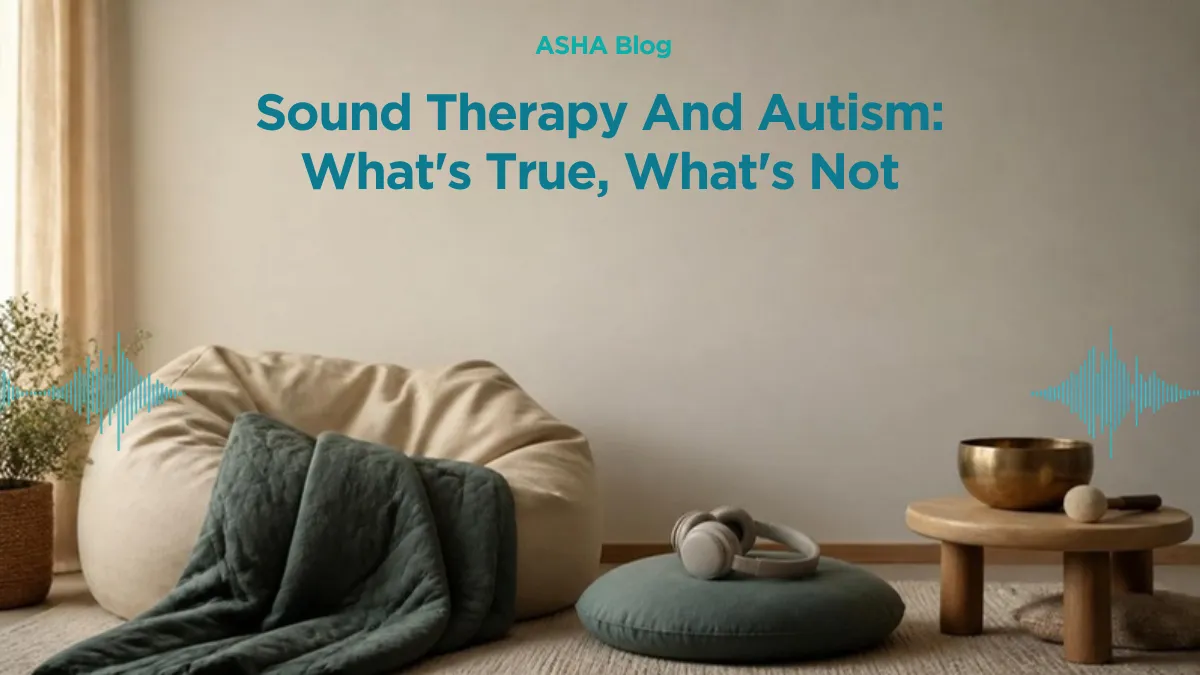
For some neurodivergent clients, a well-designed sound session offers a rare kind of experience: a predictable, low-demand sensory environment where nothing is asked of them. No conversation, no eye contact, no social decoding. Just consistent, chosen sound in a safe space. Families sometimes describe it as one of the few relaxing activities the whole household can share.
That is a real offering. It is sensory rest, not therapy for autism, and describing it accurately is what makes it ethical.
The Adaptations That Matter
Consent and communication first. Adapt to the person's communication style, and read embodied signals continuously. Covering ears, turning away, distress behaviours: that is a no, honour it immediately.
Predictability over surprise. Explain or demonstrate each instrument before playing. Sudden crescendos and novel sounds are the enemy; repetition and warning are friends.
Radically lower dose. Shorter sessions, gentler volumes, more distance. Start with five comfortable minutes rather than an hour that ends badly.
Control in the client's hands. Let them choose instruments, distance, whether to stay. Agency is regulation.
Work with the support network. Parents, carers and, where involved, occupational therapists know this person's sensory profile far better than one intake form can capture. Ask, listen, coordinate.
Scope Of Practice, Bright And Clear
A sound practitioner working with neurodivergent clients supports relaxation and offers sensory experiences. They do not diagnose, treat, or promise developmental outcomes, and they refer to allied health professionals, occupational therapists, speech pathologists, psychologists, for everything beyond that line. If a family arrives seeking treatment, the ethical response is warmth, honesty about what sound work is, and a pointer toward evidence-based supports.
The Standard This Field Needs
Neurodivergent clients and their families have been overpromised to by parts of the wellness industry for decades. The practitioners who serve them well are the ones who claim less and adapt more. That is the standard ASHA trains and holds: trauma-informed, sensory-aware, honest about evidence, and firm about scope.