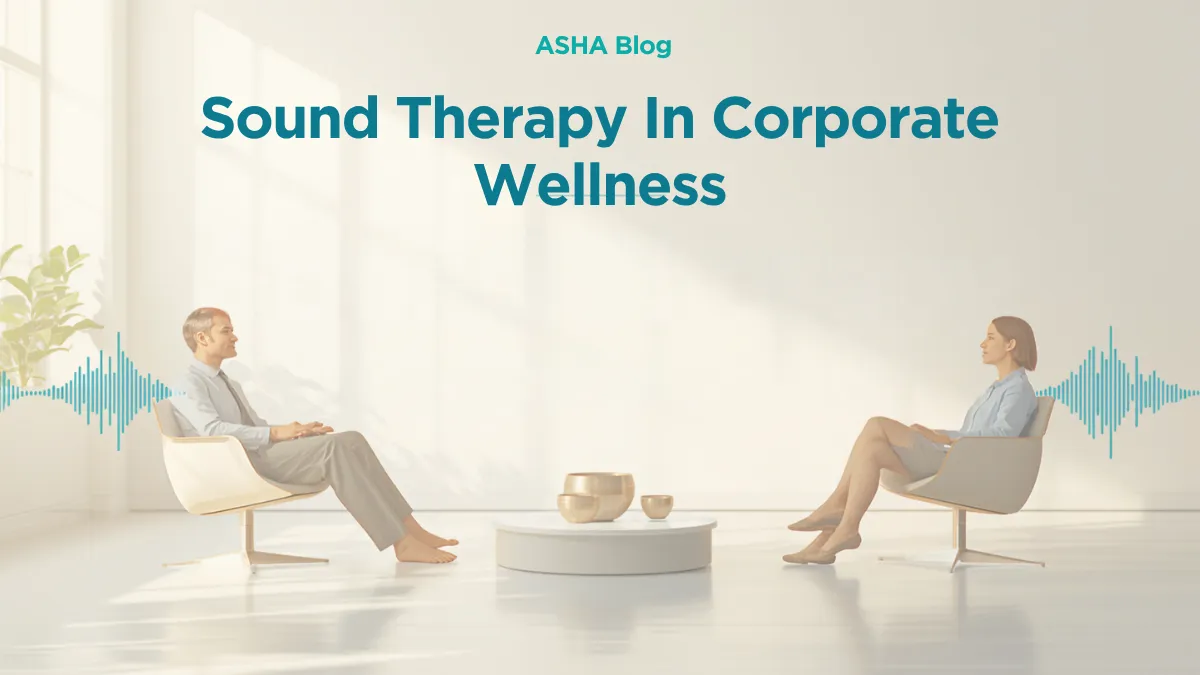
Sound Therapy In Corporate Wellness: The Practitioner's Brief
HR teams are booking sound baths for staff wellbeing days, and the practitioners winning that work are not the most mystical ones. They are the most professional. This is the brief for taking sound therapy into corporate settings without losing the soul of the work.
Why Workplaces Are Calling
Workplace stress and burnout are now board-level topics in Australia, and wellbeing budgets have moved from fruit boxes to programs. Sound sessions fit the corporate context surprisingly well: they require nothing of participants except lying down, they are secular and low-barrier when framed properly, and thirty minutes reliably sends a room back to their desks calmer than they left.
For practitioners, corporate work offers daytime bookings, professional rates and repeat contracts. It also demands a different posture from studio work.
What Changes When The Client Is A Company
The buyer is not the participant. An HR manager or wellbeing lead books you, and they answer to their own stakeholders. They need you to be easy to procure: insurance certificate ready, a clear one-page offer, an ABN and invoice process, and language that survives being forwarded to a sceptical CFO.
The room is full of non-volunteers. In your studio, everyone chose to be there. At a staff wellbeing day, some were told to come. Consent becomes an active practice: name it at the start, make opting out genuinely easy, and offer chairs alongside mats so nobody has to lie on the floor in work clothes to participate.
Screening still applies. Pacemakers, pregnancy, hearing devices and trauma histories exist in every workplace. A short pre-session note circulated by the organiser, plus a spoken check at the start, keeps the session inside professional standards.
The language must be grounded. Corporate audiences switch off at chakra talk and switch on at nervous system, stress recovery and rest. You do not have to strip the depth from the work. You have to translate it. Talk about downshifting the stress response, and let the gongs do the rest.
Designing The Corporate Session
Shorter is better: thirty to forty-five minutes fits a workday and leaves people functional, not floaty. Keep intensity moderate; this is a first exposure for most of the room. Frame it in two minutes at the start, deliver a clean experience, land it gently, and finish with one practical takeaway they can use at their desk, a two-minute breath practice, for instance. Leave a simple handout with your details; the participants of today are the private clients and referrers of next quarter.
Pricing And Positioning
Corporate work is priced as a professional service, not a community class: session fee plus travel and setup, with half-day and full-day rates for wellbeing events. The credibility stack that justifies those rates is exactly what you would expect: recognised certification, insurance, an association behind you, testimonials from other organisations, and a professional proposal. Companies are not buying magic. They are buying reliability that also happens to be beautiful.
The Long Game
One good corporate contract tends to spawn others; wellbeing leads talk to each other. Deliver reliably, invoice cleanly, and stay inside your scope, and you become the sound person organisations pass around. This is one of the strongest positioning moves available to Australian practitioners right now, and it is wide open to those willing to be professional about it.
Position Yourself At This Level
ASHA's 300-hour Advanced Practitioner Training is online, start anytime, and grounded in trauma-informed practice, ethics and scope. Graduates can apply for practitioner insurance through ASHA.